In construction and engineering projects, strength and reliability matter. Whether you’re installing heavy machinery, supporting structural elements, or securing safety systems, you need fixing solutions you can trust.
December 26, 2025
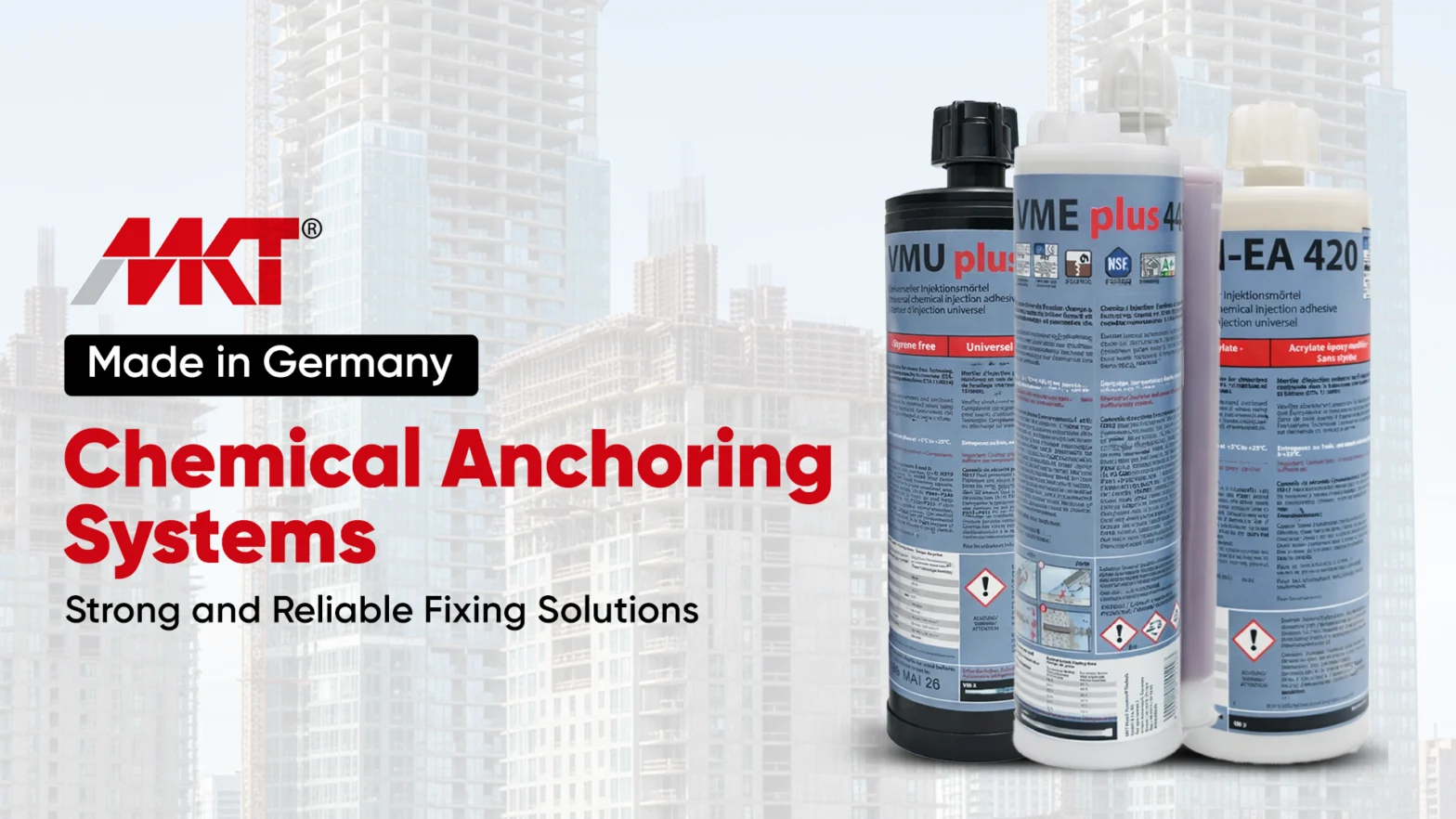
In construction and engineering projects, strength and reliability matter. Whether you’re installing heavy machinery, supporting structural elements, or securing safety systems, you need fixing solutions you can trust. That’s where chemical anchors come in.
Chemical anchors are one of the most effective methods for securing bolts, rods, rebar, and fixtures in concrete and masonry. They are widely used in commercial, industrial, and infrastructure projects across Pakistan and around the world.
At Ingenious Fixing Solutions, we believe in empowering engineers and contractors with the right products and knowledge. In this article, we explain what chemical anchor systems are, how they work, and why they are a preferred choice for critical fixing applications.
What Are Chemical Anchors?
A chemical anchor is a type of bonded fixing system. Instead of using mechanical expansion to hold an anchor in place, chemical anchors use a strong adhesive resin. This adhesive creates a solid bond between the anchor like a threaded rod and the base material such as concrete or block.
Unlike traditional mechanical anchors, chemical anchors do not rely on pressure or expansion. Instead, they depend on adhesion to securely hold the fixings in place.
This makes them ideal for applications where maximum strength and durability are required.
How Do Chemical Anchors Work?
The installation process is surprisingly simple:
- Drill a hole in the concrete or masonry to the correct depth.
- Remove dust and debris from the hole using a brush and air blower.
- Inject the chemical resin into the drilled hole.
- Insert the threaded rod or rebar into the resin-filled hole.
- Allow the resin to cure and harden.
Once cured, the resin forms a strong bond that locks the anchor securely in place.
Because the resin fills all gaps, it creates a tight fit and evenly distributes forces along the anchor.
Why Choose Chemical Anchors?
Chemical anchors offer several advantages over traditional mechanical anchors. This is why they are widely used in modern construction, industrial facilities, and infrastructure projects.
Higher Load Capacity
Chemical anchors can handle very high tensile and shear loads. This makes them ideal for heavy support systems, structural connections, and machinery fixing.
No Expansion Stress
Mechanical expansion anchors use outward force to grip the concrete. This can cause stress and small cracks, especially near edges.
Chemical anchors don’t expand, so they’re perfect for:
- Edges and corners
- Thin slabs
- Weak or cracked concrete
Better Performance in Cracked Concrete
In situations where the concrete already has cracks, chemical anchors still perform reliably because bonding does not depend on expansion.
Smooth and Clean Look
Chemical anchors leave a neat finish without visible surface damage. This provides better aesthetics and helps with precise installations.
Suitable for Various Materials
Chemical anchors work well in:
- Concrete
- Hollow blocks
- Solid bricks
- Natural stone (with proper sleeves)
This flexibility makes them suitable for many construction types.
Where Are Chemical Anchors Used?
Chemical anchors are useful in many applications. Here are the common ones:
Construction and Structural Fixing
- Steel columns and beams
- Balconies and canopies
- Facade mounting
Industrial Projects
- Heavy machinery support
- Pipe supports
- Equipment anchoring
Fire Protection Systems
- Fire sprinklers
- Fire safety cabinets
- Emergency systems
Mechanical and MEP Installations
- Cable trays
- HVAC supports
- Ductwork
Infrastructure & Civil Works
- Road safety barriers
- Sign posts
- Bridges and tunnels
Chemical anchors work wherever a strong and permanent fixing is needed.
Best Practices for Installing Chemical Anchors
Even the best chemical anchor won’t work properly if installed incorrectly. Follow these practical tips:
Clean the Hole Thoroughly
Dust and debris reduce bond strength. Use a brush and air blower to clean the hole.
Use the Correct Hole Size and Depth
Follow manufacturer instructions for diameter and depth. When in doubt, check product data sheets.
Avoid Premature Loading
Let the resin cure fully before applying load. This ensures maximum strength.
Choose the Right Resin
Select epoxy, vinyl ester, or polyester based on load requirements and site conditions.
Follow Safety Standards
Always follow local building codes, international standards, and manufacturer recommendations.
Durability and Maintenance
Once the resin cures, the bond is stable and strong. Chemical anchors typically require no maintenance. The resin protects against:
- Vibration
- Temperature changes
- Environmental changes
- Corrosion (when used with coated or stainless rods)
This makes them a long-term solution for construction and industrial projects.
Cost vs Value: A Smart Investment
Chemical anchors may cost more upfront than simple mechanical anchors. But they offer better performance, longer life, and stronger support.
You save money by:
- Avoiding future repairs
- Reducing installation errors
- Preventing equipment failure
- Improving safety and compliance
For critical applications, chemical anchors are not just a fixing as they are an investment in stability and safety.
Why WE Recommend Chemical Anchors
At Ingenious Fixing Solutions, we work with trusted brands and quality products to support engineers, builders, and contractors across Pakistan. We provide:
- Technical support
- Expert product guidance
- Certified chemical anchor systems
- Project engineering assistance
Our solutions help you deliver safe, strong, and lasting installations.
Final Thoughts
Chemical anchors are one of the most reliable and effective fixing solutions available today. They offer high strength, long-lasting performance, and flexible installation in many environments.
If your project demands secure fixing, high load capacity, and long-term reliability, chemical anchors are often the best choice.
Whether you are working on construction, industrial fit-outs, fire safety systems, or infrastructure projects, chemical anchors deliver the strength and performance you need.
For professional advice and quality products, Ingenious Fixing Solutions is here to help. Let’s build strong and lasting structures together.