Step into any commercial building – a bustling office, a sprawling retail space, a busy hospital, or a large manufacturing plant – and you’re surrounded by carefully controlled environments.
July 15, 2025
Commercial HVAC Bracketing Systems: The Unseen Powerhouses of Business Comfort and Safety
Step into any commercial building – a bustling office, a sprawling retail space, a busy hospital, or a large manufacturing plant – and you’re surrounded by carefully controlled environments. The air is just right, temperatures are stable, and operations run smoothly. But have you ever stopped to think about the massive, complex heating, ventilation, and air conditioning (HVAC) systems making all that possible?
These aren’t your average home air conditioners. Commercial HVAC units are giants, often located on rooftops, within mechanical rooms, or even integrated into the very structure of the building. And what keeps these colossal pieces of equipment firmly in place, year after year, through all kinds of weather and operational demands? The unsung heroes of the commercial world: HVAC bracketing systems!
These specialized support structures are absolutely critical for the stability, safety, and long-term performance of your commercial HVAC infrastructure. Let’s delve into why these robust commercial HVAC brackets are indispensable for any business property. What Exactly Are Commercial HVAC Bracketing Systems?
At their core, commercial HVAC bracketing systems are engineered support frameworks designed to securely anchor large and heavy HVAC components. We’re talking about massive rooftop units (RTUs), chillers, industrial air handlers, extensive runs of ductwork, complex piping, and a myriad of other commercial-grade equipment.
Unlike residential brackets, these systems are built to withstand immense weight, continuous vibration, and often harsh environmental conditions. They are crafted from heavy-duty materials and precision-engineered to meet stringent commercial building codes and performance requirements. Their primary mission? To ensure that every piece of your commercial HVAC equipment stays perfectly stable and secure, no matter the scale or operational intensity.
Why Are Commercial HVAC Brackets So Important? Stability and Safety Are Paramount!
In a commercial setting, the stakes are significantly higher. HVAC system failures or structural issues can lead to operational downtime, discomfort for employees and customers, potential safety hazards, and significant financial losses. This is where the crucial role of HVAC mounting solutions for commercial properties becomes clear, focusing on two non-negotiable aspects: stability and safety. Ensuring Stability: Keeping Your Business Running Smoothly
For commercial properties, stability isn’t just about comfort; it’s about operational continuity and efficiency.
- Vibration Control for Operational Harmony: Large commercial HVAC units, especially rooftop units and chillers, generate substantial vibrations during operation. Without robust vibration isolation for commercial HVAC, these vibrations can transmit throughout the entire building structure. This can lead to annoying noise complaints, structural fatigue over time, and even damage to sensitive equipment within the building. High-quality brackets, often incorporating advanced dampening technology, significantly mitigate these vibrations, maintaining a quieter, more stable environment for your business.
- Preventing Costly Movement and Shifting: Commercial buildings are subject to various forces – wind loads on rooftops, seismic activity, or even just the immense torque from large motors. Unsecured HVAC units can shift, leading to serious problems. Heavy-duty HVAC support prevents this movement, safeguarding delicate internal components, preserving vital pipe and electrical connections, and preventing costly structural damage to the building itself.
- Optimal Performance and Energy Efficiency: When a large HVAC unit, like an industrial air handler, is perfectly leveled and stable, it operates at peak efficiency. This ensures optimal airflow, consistent temperature control, and ultimately, lower energy consumption for your entire facility. A unit that is out of alignment or experiences excessive movement will struggle to perform, leading to increased energy bills and less effective climate management. This directly impacts your operating costs.
- Protecting Critical Connections and Infrastructure: Commercial HVAC systems involve complex networks of large-diameter pipes (for chilled water, hot water, or refrigerant), substantial electrical conduits, and vast ductwork. If the primary HVAC unit shifts, even slightly, it puts immense strain on these connections. This can result in leaks, electrical shorts, compromised airflow, or even catastrophic failures. Robust HVAC equipment securement ensures these vital lifelines remain intact and functional, preventing expensive repairs and disruptions to your business.
Prioritizing Safety: Protecting People and Assets
In commercial environments, safety considerations are amplified due to the size and weight of the equipment, the number of occupants, and the potential for significant liability.
- Preventing Catastrophic Falls and Accidents: A multi-ton commercial rooftop unit or a large chiller coming loose poses an extreme hazard. Proper commercial HVAC mounting systems are engineered to safely bear immense loads, preventing units from falling and causing severe injury, extensive property damage, or even fatalities. This is a critical aspect of public safety and commercial property safety.
- Safeguarding Building Structural Integrity: The concentrated weight of large HVAC equipment, if not properly supported and distributed, can exert tremendous stress on a building’s roof, floors, or structural framework. Over time, this can lead to cracks, deflection, and even catastrophic structural failure. Well-designed building HVAC stability solutions distribute the load safely, protecting the long-term integrity of your commercial property.
- Ensuring Electrical and Gas Line Safety: Unsecured or shifting commercial HVAC units can pull on heavy-gauge electrical wiring or large-diameter gas lines (for furnaces or boilers). This creates immediate and severe risks, including exposed live wires, short circuits leading to fires, or dangerous gas leaks. Secure industrial HVAC mounting ensures that all utility connections remain stable and safe, a paramount concern for facility managers.
- Compliance with Rigorous Commercial Building Codes: Commercial properties are subject to significantly stricter building codes, safety regulations, and seismic requirements than residential buildings. These codes often mandate specific types of HVAC support structures, anchoring methods, and load calculations. Using the correct, code-compliant commercial HVAC brackets is not just good practice; it’s a legal necessity that protects your business from fines, liabilities, and potential insurance complications.
- Seismic Resistance: In areas prone to earthquakes, seismic bracketing for HVAC is non-negotiable for commercial installations. These specialized systems are designed to allow controlled movement during seismic events, preventing units from dislodging or causing widespread damage, thereby protecting both the equipment and the building’s occupants.
Types of Commercial HVAC Bracketing Systems: Engineered for Scale
The scale and complexity of commercial HVAC demand a diverse range of specialized bracketing systems:
- Rooftop Unit (RTU) Support Frames: These are robust, elevated structures, often custom-fabricated from heavy-gauge steel, designed to support large rooftop HVAC units. They elevate units above the roof surface to protect against water, snow, and debris, while also distributing the unit’s immense weight evenly across the roof’s structural members.
- Chiller and Condenser Stands: Massive chillers and condensers, whether on rooftops or ground level, require exceptionally strong, often concrete-filled or heavy-duty steel stands. These heavy-duty HVAC support systems must handle incredible static and operational loads, often incorporating vibration isolation pads.
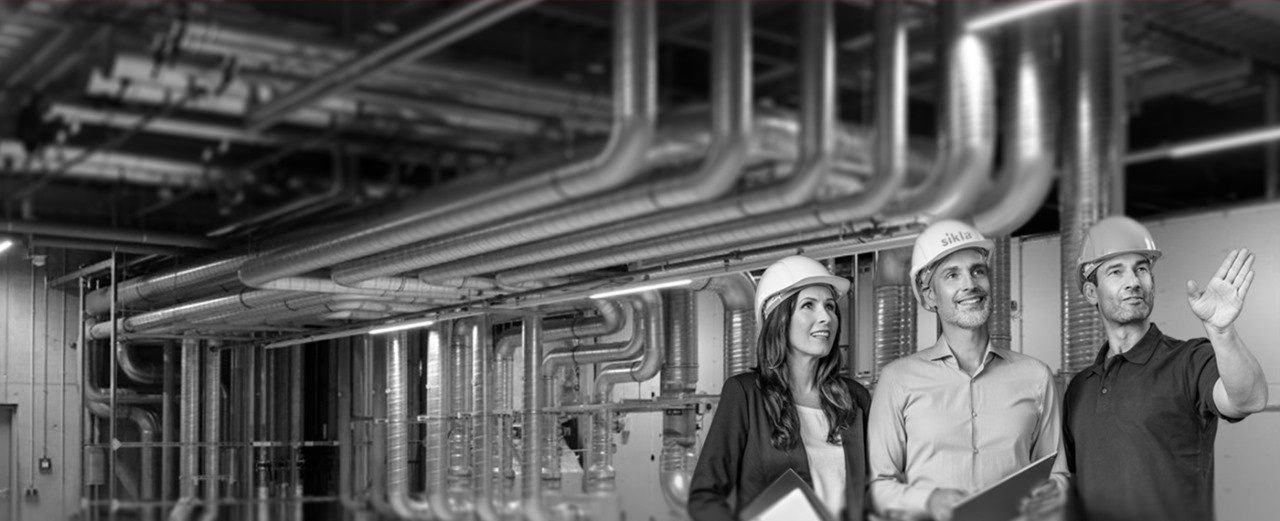
- Suspension Systems for Ductwork and Piping: Commercial buildings feature extensive networks of large-diameter ductwork and industrial piping. Specialized HVAC suspension brackets are used to hang these systems from structural beams, ensuring proper slope, preventing sag, and allowing for thermal expansion and contraction without stressing connections.
- Vibration Isolation Curbs and Rails: These are integrated components of rooftop unit installations, specifically designed with spring or rubber isolators to significantly reduce the transfer of vibrations and noise from the unit into the building structure. They are crucial for maintaining a quiet indoor environment.
- Equipment Rails and Skids: For large indoor units like air handlers, boilers, or pump sets, heavy-duty steel rails or skids are used to create a stable, elevated base within mechanical rooms. These often include provisions for vibration isolation and easy access for maintenance.
- Seismic Bracing Systems: In earthquake-prone regions, commercial HVAC equipment requires specific seismic bracing. This includes cable restraints, rigid struts, and specialized anchors designed to limit movement during a seismic event, protecting both the equipment and the building’s occupants.
Key Features to Demand in Commercial HVAC Brackets
When overseeing the specification or installation of commercial HVAC mounting solutions, look for these critical features:
- Superior Material Strength & Durability: Commercial brackets must be built from industrial-grade materials like heavy-gauge structural steel (often galvanized or powder-coated for superior corrosion resistance), or reinforced concrete. They need to withstand extreme weather, heavy loads, and continuous operation.
- High Load-Bearing Capacity: Always verify that the bracket’s load capacity far exceeds the operational weight of the HVAC unit, including any potential added weight from snow, ice, or maintenance personnel. Over-engineering is prudent in commercial applications.
- Advanced Corrosion Protection: Given exposure to weather (for outdoor units) and potentially corrosive environments (for industrial applications), finishes like hot-dip galvanization, robust powder coating, or stainless steel are essential for long-term integrity and reduced maintenance.
- Effective Vibration Isolation: For noise-sensitive environments like offices, hospitals, or hotels, integrated vibration isolators (spring, rubber, or neoprene) are crucial to prevent noise transmission and prolong equipment life.
- Compliance with Industry Standards & Codes: Ensure the brackets meet all local and national commercial building codes, seismic requirements (if applicable), and industry standards (e.g., ASHRAE, SMACNA guidelines).
- Ease of Maintenance Access: While robust, the design should still allow for reasonable access for inspection, cleaning, and maintenance of both the HVAC unit and the bracket itself.
- Modular and Adaptable Design: For large commercial installations, modular systems can offer flexibility for future expansion or modifications to the HVAC system.
The Bottom Line: A Smart Investment for Commercial Success
For any commercial property owner, facility manager, or business operator, understanding the critical role of commercial HVAC bracketing systems is vital. These are not merely accessories; they are fundamental components that underpin the entire HVAC infrastructure of your building.
Investing in high-quality heavy-duty HVAC support, professionally designed and installed, is a strategic investment in the:
- Operational continuity of your business.
- Comfort and productivity of your occupants.
- Energy efficiency and reduced operating costs.
- Long-term lifespan of your expensive HVAC assets.
- Safety and security of your property and everyone within it.
- Compliance with crucial building codes and regulations.
Don’t let the unseen nature of HVAC brackets diminish their importance. They are the bedrock upon which your commercial comfort, efficiency, and safety are built. Prioritize robust, professionally installed commercial HVAC mounting solutions to secure your assets and ensure seamless operations for years to come.
Trusted Brands and Distributors in Pakistan
When it comes to HVAC support systems in Pakistan, Ingenious Fixing Solutions Pvt ltd. is a name you can trust.
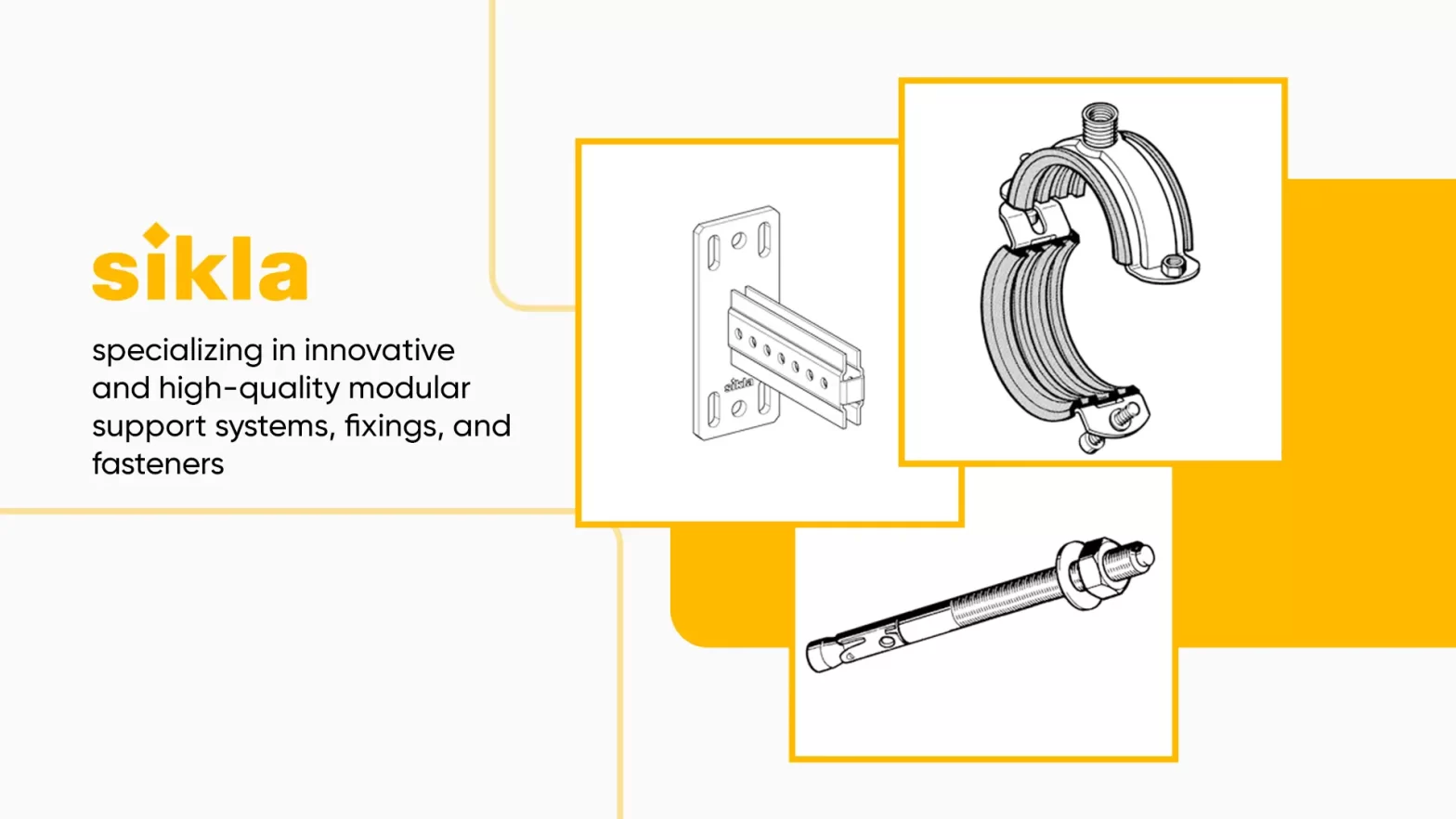
As a leading importer and distributor of MEP and HVAC Fixing and support, HS Ahmed Ally offers a wide range of HVAC brackets, supports, and accessories from top international brands like Sikla and MKT..
With decades of experience and a strong presence across the country, they ensure:
- Genuine products
- Expert guidance
- On-time delivery
- Technical support
If you’re looking for wall brackets, seismic supports, pipe clamps, or channel and accessories, Ingenious Fixing Solutions has you covered.