Do you ever think about the air you breathe inside your home or office? Most of us don’t. We only notice it when the air conditioner breaks down, or the heating bill gives us a shock!
November 20, 2025

Do you ever think about the air you breathe inside your home or office? Most of us don’t. We only notice it when the air conditioner breaks down, or the heating bill gives us a shock!
HVAC installation that’s Heating, Ventilation, and Air Conditioning is one of the most important parts of any building. It keeps us comfortable. But the world of building is changing fast. Today, a new HVAC system can’t just cool or heat. It has to do so much more.
The future of HVAC is not about bigger or faster machines. It’s about smarter, tougher, and easier systems.
Right now, the entire HVAC industry is focused on three main goals. These goals are driving every new product and every new installation method. They are:
- Peak Efficiency: We need to go green and save money on power bills.
- Ultimate Durability: Systems must last longer with fewer breakdowns.
- True Accessibility: They must be easier to install, maintain, and use.
Let’s take a friendly look at how these three pillars are shaping your next building project.
1. The Race for Peak Efficiency: Go Green, Save Green
Energy consumption is a huge deal. Your HVAC unit can be the biggest energy user in your building. As energy costs rise, everyone is looking for ways to cut back. This is why energy efficiency is the number one trend in HVAC installation.
Smarter Components
The days of simple “on/off” compressors are fading. Welcome to the era of Inverter technology. Think of an inverter like a car’s accelerator pedal. Instead of slamming the pedal to the floor and then stopping (on/off), the inverter just slightly adjusts the speed. This means the system runs continuously but uses only the exact power needed to maintain the temperature. This smooth operation saves a huge amount of energy. It’s also much quieter, which is a nice bonus!
Another key change is the rise of better refrigerants. Older cooling chemicals are being phased out globally. New, more environmentally friendly options are taking their place. These new refrigerants help the planet and often work more efficiently within modern units. Choosing a system with a high Energy Efficiency Rating is no longer just a suggestion; it’s a standard.
The Power of Smart HVAC
This is where things get really fun. The future of cooling and heating is all about being smart.
Smart HVAC systems are now standard in most new construction. These aren’t just fancy thermostats. They are whole systems connected to the Internet of Things (IoT). They can learn.
- They learn your habits. If you leave the office at 5 PM every day, the system knows to slightly reduce cooling just before then.
- They track the weather forecast. Why blast the A/C if a cool front is expected in an hour?
- They adjust based on room occupancy. If a sensor sees a meeting room is empty, it turns the air down automatically.
This level of precise control drastically cuts down on wasted energy. It is like having a personal energy manager built right into your wall.
Furthermore, HVAC installation now includes comprehensive zoning systems. Instead of treating an entire house or office building as one climate zone, you can divide it up. The kitchen can be cooler than the bedroom. The server room can be chilled while the lobby is just comfortable. Zoning ensures you only spend energy on the exact areas that need it, exactly when they need it. This combination of smart technology and targeted cooling is making buildings far more sustainable.
2. Built to Last: Durability and Longevity
An HVAC system is a big investment. You don’t want to replace it every few years. The second major pillar of the future is durability. We need long-lasting systems that stand up to harsh weather, frequent use, and the passage of time.
Materials Matter More Than Ever
In the past, cheaper materials were sometimes used for quick savings. Not anymore. Today’s top manufacturers focus on materials that resist wear and tear.
- Corrosion Resistance: This is huge, especially in humid or coastal areas. Units are now built with specialized coatings on coils and casings. These coatings fight off rust and salt damage, ensuring the unit’s lifespan is maximized.
- Stronger Components: Fans, motors, and heat exchangers are being engineered with tougher parts. Better engineering means fewer calls to the repair technician, and a longer life for the whole system. This focus on material science ensures HVAC durability.
The Unsung Heroes: Fixing and Support Systems
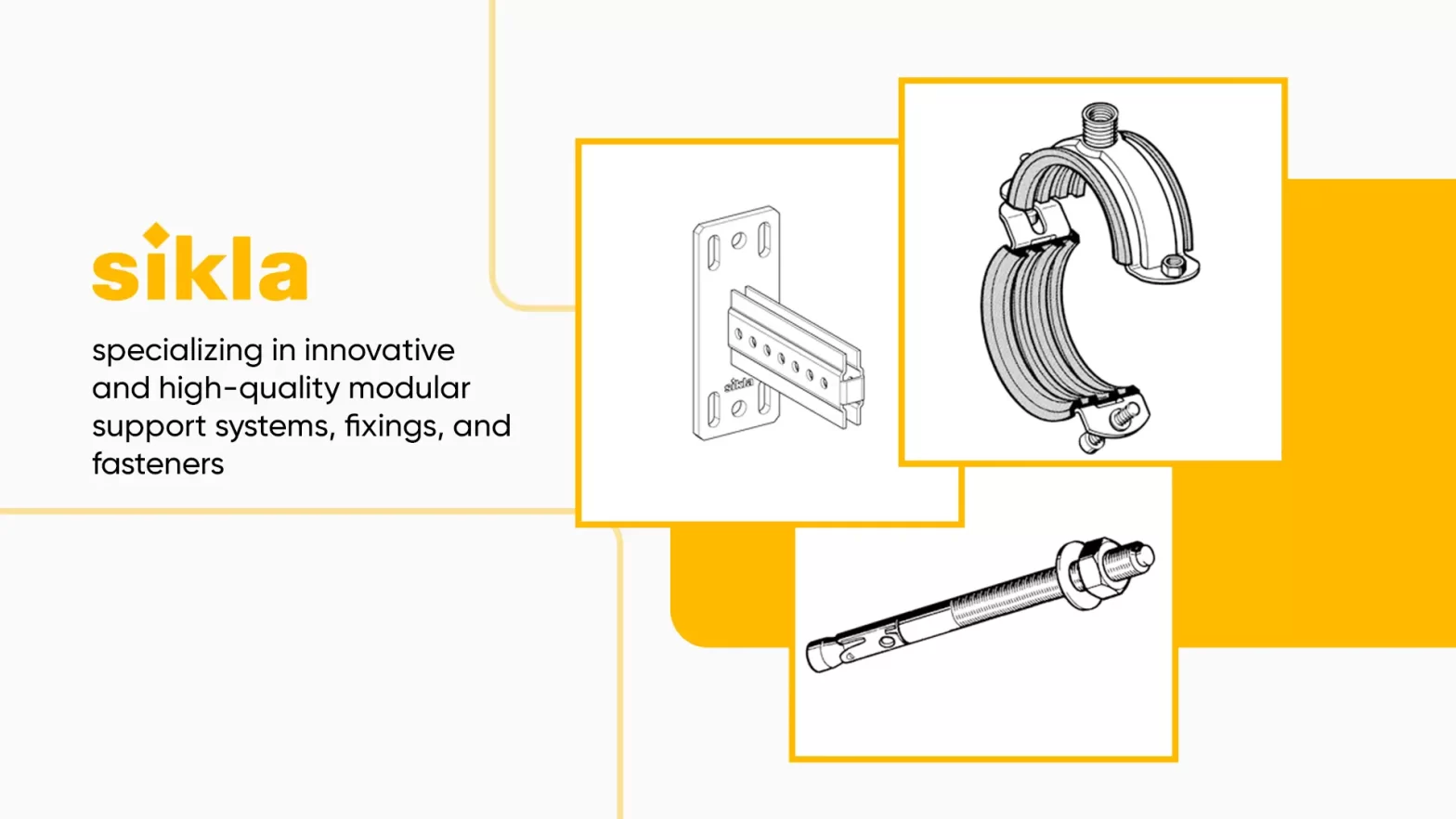
Most people only see the indoor unit and the outdoor unit. But the true longevity of a large-scale system depends on what’s behind the scenes. This is where high-quality fixing solutions and support systems come in.
Think about the miles of pipes, ducts, and cables that run through a building. If these are held up by low-quality supports, what happens?
- Vibration: Poor supports let pipes shake and vibrate, which leads to wear and tear over time. This shortens the lifespan of the pipes and the equipment they are connected to.
- Structural Integrity: Heavy ductwork and pipes need strong, reliable anchors to the building’s structure. These are called mechanical and electrical supports or MEP support systems. If these supports fail, the whole installation can become unstable and even dangerous.
- Expansion and Contraction: Hot pipes expand, and cold pipes contract. The supports must be designed to allow for this natural movement without stressing the system.
The future of HVAC installation relies on MEP integrity. Using high-grade, engineered support systems ensures the entire setup from the smallest pipe to the largest chille remains stable, secure, and aligned for its full expected life. This is a critical factor in achieving long-lasting systems. It’s the foundation of HVAC durability.
3. Making it Easy: Accessibility for All
The third goal is making HVAC easier. This applies in three main ways: easier installation for contractors, easier maintenance for technicians, and easier control for users.
Simplified Installation
Time is money in the construction world. Future HVAC installation methods are designed to be faster and less complicated.
One huge trend is modular systems. Imagine a child’s building block set. Instead of custom-building everything on site, systems are now delivered in pre-fabricated blocks. These blocks simply connect together.
This also applies to the pipe and duct supports we talked about earlier. Companies are using modular systems for MEP Fixing. Instead of welding and drilling complex structures, contractors use pre-engineered components that bolt together quickly and reliably. This significantly improves contractor efficiency. It reduces labor costs and ensures a higher, more consistent quality of work, speeding up the overall HVAC installation process.
Maintenance Made Simple
Even the most durable system needs a check-up sometimes. Technicians are getting a break, too.
Future units are designed with easier maintenance in mind. Panels snap off, filters are simple to slide out, and key components are placed in accessible spots. No more complicated disassembly just to check a sensor!
More importantly, the smart HVAC systems also help here. They can perform remote diagnostics. The system can tell the technician exactly what the problem is—and even order the replacement part—before the technician even drives to the site. This predictive maintenance saves time and prevents small issues from becoming expensive breakdowns. This level of accessible HVAC maintenance is revolutionary.
Control in Your Hand
For the end-user, accessibility means control. We already mentioned smart thermostats, but the control goes deeper.
Apps are now the standard way to interact with your system. You can adjust the temperature from your phone while you are still driving home. You can check your energy use with a few taps. You can even grant temporary access to a technician to check the system remotely. This simplicity and immediate feedback make interacting with complex HVAC technology feel completely intuitive. It puts the user in charge of their comfort and their budget.
Connecting the Pillars: The Sustainable Building
The future of HVAC is really about synergy. Efficiency, Durability, and Accessibility are not separate ideas. They work together to create truly modern, sustainable building design.
A system that is efficient saves power. A system that is durable won’t need to be replaced often, reducing landfill waste. A system that is accessible is easier to maintain, ensuring it runs at its peak efficiency for its entire long-lasting life.
This holistic approach is what defines the next generation of construction. When you choose a new system, you are not just buying a machine. You are investing in a decades-long relationship with comfort, low bills, and reliable performance.
The right partners, using the right fixing solutions and the latest smart HVAC technology, ensure your investment pays off for years to come. This is the exciting, simple, and sustainable future of HVAC bracketing and installation.