Fire safety in buildings is about much more than alarms and sprinklers. While active systems like these help detect and suppress fires, another unsung hero quietly keeps everyone safe i.e. firestop systems. These systems play a vital role in passive fire protection, preventing flames and smoke from spreading through walls, floors, and ceilings.
In this article, we’ll explore what firestop systems are, how they work, why they’re essential, and the science that makes them so effective in fire containment.
What Is a Firestop System?
A firestop system is a combination of materials and techniques designed to seal openings and gaps in fire-rated walls, floors, and ceilings. These gaps are usually made to pass pipes, cables, ducts, and conduits during construction.
Without proper sealing, these penetrations become weak points where fire and smoke can quickly spread from one area to another. A firestop system restores the fire-resistance rating of the structure, keeping the fire confined to its origin for a certain period, usually between 1 to 4 hours, depending on the rating.
The Role of Firestop Systems in Fire Containment
To understand how firestop systems work, it helps to look at the concept of compartmentation. Modern buildings are divided into sections or compartments with fire-rated barriers. The purpose is to contain a fire within a specific area, allowing more time for evacuation and firefighting.
Firestop systems are installed at points where these barriers are penetrated such as around a cable tray or pipe, to maintain the integrity of the fire-rated assembly. They block the passage of:
- Flames and heat
- Smoke and toxic gases
- Hot air and pressure
By doing this, they prevent the fire from moving to other parts of the building, minimizing damage and saving lives.
How Firestop Systems Work: The Science Explained
At first glance, firestop sealants or collars might look like simple materials, but they’re engineered with heat-reactive and insulating properties that perform specific functions during a fire. Here’s how they work step by step:
1. Normal Conditions – Staying Flexible
Under normal temperatures, firestop materials remain soft, flexible, and durable. They allow minor movement in pipes and cables without cracking or losing adhesion. This flexibility ensures a tight seal over time, even with building vibrations or thermal expansion.
2. Fire Exposure – Heat Activation
When exposed to heat, certain types of firestop materials known as intumescent materials begin to expand. These materials are designed to react to rising temperatures, typically between 150°C to 200°C.
As they expand, they fill up any gaps or openings caused by melting plastic pipes or burning insulation. The expansion can be up to 20 times the original size, creating a solid, heat-resistant barrier.
3. Blocking Flames and Smoke
Once the firestop expands, it seals the penetration completely, blocking the flow of flames, smoke, and hot gases. This helps maintain the compartment integrity, keeping the fire isolated for as long as the fire rating allows.
4. Thermal Insulation and Cooling
Some firestop systems also act as thermal barriers. They prevent heat transfer through the wall or floor assembly, keeping the other side cool enough to avoid ignition. This gives people on the unaffected side more time to escape and firefighters more time to act.
Types of Firestop Systems and Materials
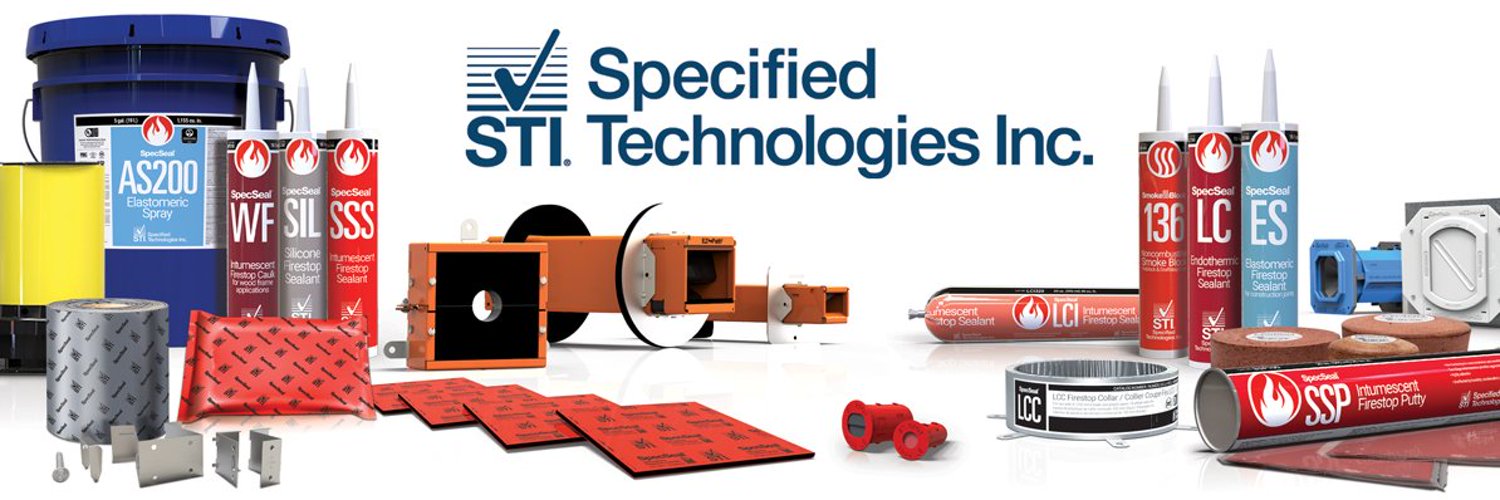
Firestop systems come in many forms, each designed for specific applications and materials. Let’s look at some of the most common ones used in commercial, industrial, and residential projects.
1. Firestop Sealants
These are applied as caulks or sprays around small gaps and penetrations. They form a flexible, smoke-tight seal and are ideal for use around cables, conduits, and joints..
2. Intumescent Firestop Collars
Firestop collars are used mainly around plastic pipes, these collars expand rapidly when exposed to heat, crushing the softening pipe and sealing the hole.
3. Firestop Sleeves and Wrap Strips
These are pre-formed or rolled materials wrapped around cables or pipes before passing through a wall or floor. They offer easy installation and strong fire resistance.
4. Mortars and Putties
Firestop mortars are cement-based materials used to seal larger openings or multiple penetrations. Putties are flexible alternatives for small, irregular gaps.
5. Firestop Boards and Pillows
Firestop pillows and boards are removable solutions often used in areas that require future cable additions. They provide excellent thermal insulation and easy maintenance.
Why Firestop Systems Are Essential in Modern Construction
Firestop systems are a crucial part of any fire protection strategy. They provide several key benefits that go beyond basic compliance:
Enhanced Safety – They prevent the spread of fire and smoke, protecting occupants and first responders.
Structural Integrity – Firestops maintain the strength of walls and floors, preventing premature collapse.
Reduced Property Damage – Containing the fire limits repair costs and downtime.
Code Compliance – They help meet local and international fire safety regulations.
Sustainability – Many modern firestop materials are eco-friendly and low in VOC emissions.
Firestop Systems in Pakistan: A Growing Necessity
In Pakistan, the awareness of passive fire protection systems is steadily increasing. Major cities like Karachi, Lahore, and Islamabad are seeing a surge in demand for certified firestop solutions such as STI Firestop Solutions as building codes evolve and safety awareness grows.
Companies like Ingenious Fixing Solutions and HS Ahmed Ally and are leading the way by introducing globally recognized brands such as STI Firestop and Firex UAE active firefighting products. These systems meet international standards and are now used in hospitals, malls, airports, and industrial plants across the country.
As the construction industry continues to expand, fire safety regulations are expected to become stricter, making firestop systems an essential part of every project design.
The Future of Firestop Technology
Innovation in firestop systems is moving fast. Modern materials are not only more efficient but also smarter. Some of the latest trends include:
- Pre-formed modular firestop systems for faster installation.
- BIM integration for accurate design planning.
- Eco-friendly, low-smoke, and halogen-free materials.
- Smart monitoring systems that track firestop performance in real time.
These advancements are helping architects and engineers create safer, greener, and more compliant buildings.
Parting Thoughts
Firestop systems may not be visible once a building is complete, but their role is critical. They form the silent defense line that stops fire, smoke, and heat from spreading and thus giving people the time they need to evacuate safely.
Understanding how these systems work helps builders, engineers, and building owners appreciate their importance and invest in proper installation.
When it comes to saving lives and protecting property, a well-designed firestop system truly makes all the difference.